
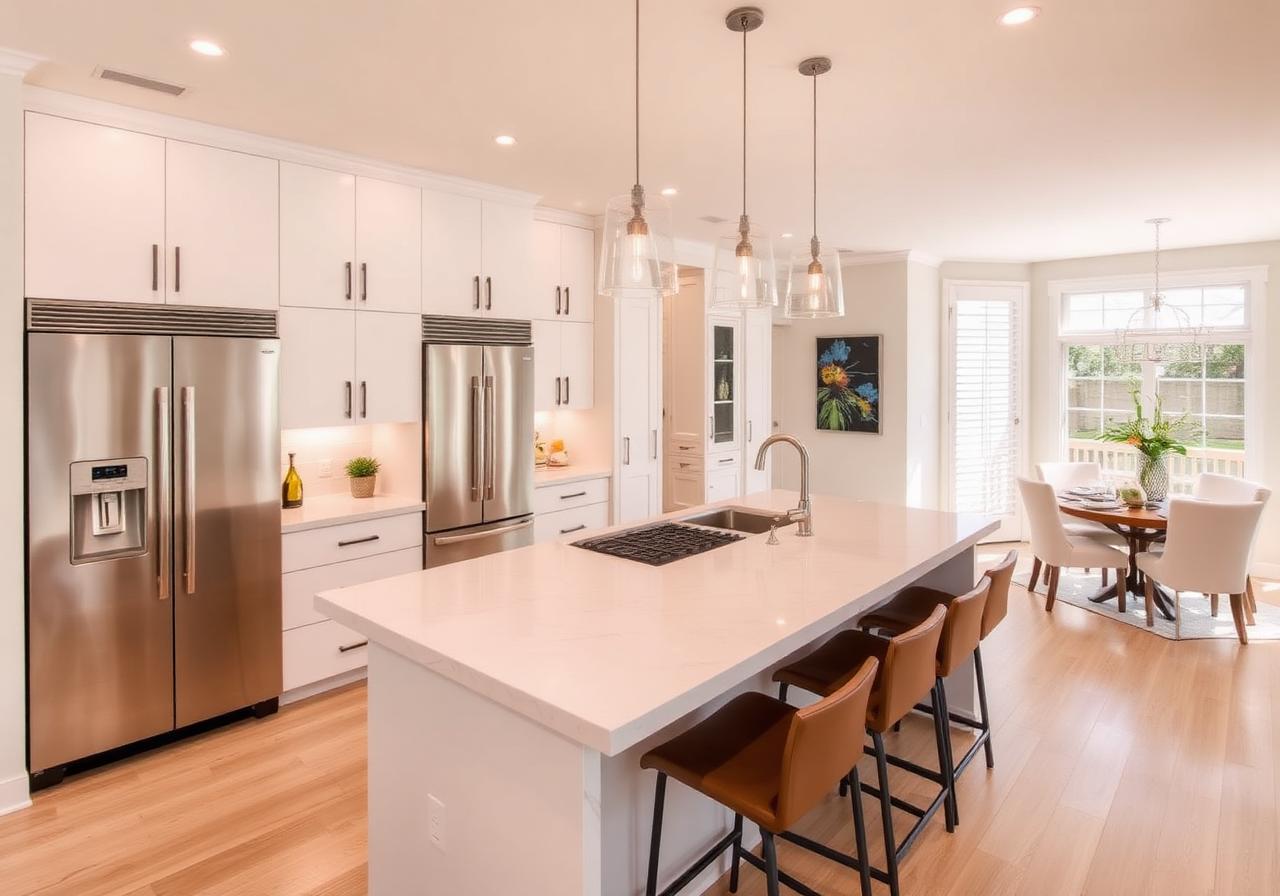
Vacation Home Renovation & Design for Better Guest Appeal
Renovation, furnishing, staging and interior design tuned to how guests actually book Central Florida vacation homes — not a generic portfolio project.
Design decisions that show up in performance
Renovation and design are levers on how a home photographs, converts, holds up and gets reviewed — not aesthetic exercises. We can't guarantee a specific revenue outcome; we can be disciplined about the levers we pull.
First-impression photography
The cover shot and first five photos decide whether a guest clicks. Design changes what photographs well before it changes anything else.
Guest fit
A well-scoped home aligns layout, sleeping configuration and amenities to the target guest — families, groups, couples — instead of trying to please everyone.
Durable materials
Vacation rentals take heavy, unfamiliar use. Fabrics, finishes and hardware chosen for STR wear reduce mid-year replacements and complaint tickets.
Maintenance practicality
Lighting, paint, flooring and fixtures selected so cleaners and maintenance can keep up between guests — not just to look right on day one.
Amenity strategy
The right game room, outdoor space or themed feature can shift how the home ranks — but only when it fits the property and community.
Cohesive themed spaces
Where a theme belongs, it should feel considered and consistent — not one novelty room bolted onto a generic house.
Six failure patterns we see again and again
Dated furnishings
Fabrics, sofas and case goods that read old on camera drop click-through before pricing gets a chance.
Poor lighting
Undersized fixtures, harsh overheads and dark corners make otherwise good rooms photograph flat.
Generic, forgettable rooms
Beige-on-beige rooms with nothing memorable rarely land in a guest's shortlist against differentiated neighbors.
Worn high-touch areas
Kitchens, primary bath, entry and outdoor lounge accumulate wear fastest and show up first in reviews.
Weak outdoor & pool presentation
In Central Florida the pool deck is often the hero shot. Undressed, cluttered or dated outdoor space costs bookings.
Mismatched photography
New furniture with old photos, or beautiful rooms shot in bad light — the listing needs to catch up with the home.
From opportunity audit to operating handoff
Owners engage all of these, or just the pieces they need.
Opportunity audit
Walk-through and listing review that identifies the highest-leverage design and durability opportunities for your specific home.
Concept & budget priorities
A tiered plan — protect/repair, conversion essentials, guest-experience upgrades, optional signature features — with rough budget bands.
Furnishing & specification
Selection of furniture, soft goods, lighting, art and hardware built for STR wear and the target guest, not a residential re-model.
Vendor coordination
Contractors, painters, electricians, cleaners and installers coordinated through a single accountable point of contact.
Staging
On-brand staging so rooms photograph the way guests will actually experience the home, not empty shells.
Listing photography readiness
Home prepared for professional photography — light, styling, angles and detail shots planned before the photographer arrives.
Post-project operating handoff
Updated inventory, cleaning checklists and maintenance notes handed to your management team so the refresh actually holds up.
A practical order of operations, not a shopping list
Owners can stop at any layer. The point is to sequence spend so basics are never skipped for cosmetics.
1. Protect & repair
Address anything that risks the home, guests or reviews first — safety, active issues, worn high-touch surfaces, weak locks and lighting.
2. Conversion essentials
The changes that most affect click-through: primary bedroom, living room, kitchen, pool deck, cover photo and listing images.
3. Guest-experience upgrades
Layer in guest-facing improvements — layout tweaks, lighting, outdoor lounge, kitchen equipment, family or group amenities.
4. Optional signature features
Where it fits the home and guest, differentiators like a themed room, upgraded game room or a distinctive outdoor moment.
Rooms and spaces from homes we manage
These images are representative of managed-home and design work — not client case studies with specific budgets, timelines or revenue results. Request a tailored review to see options specific to your home.
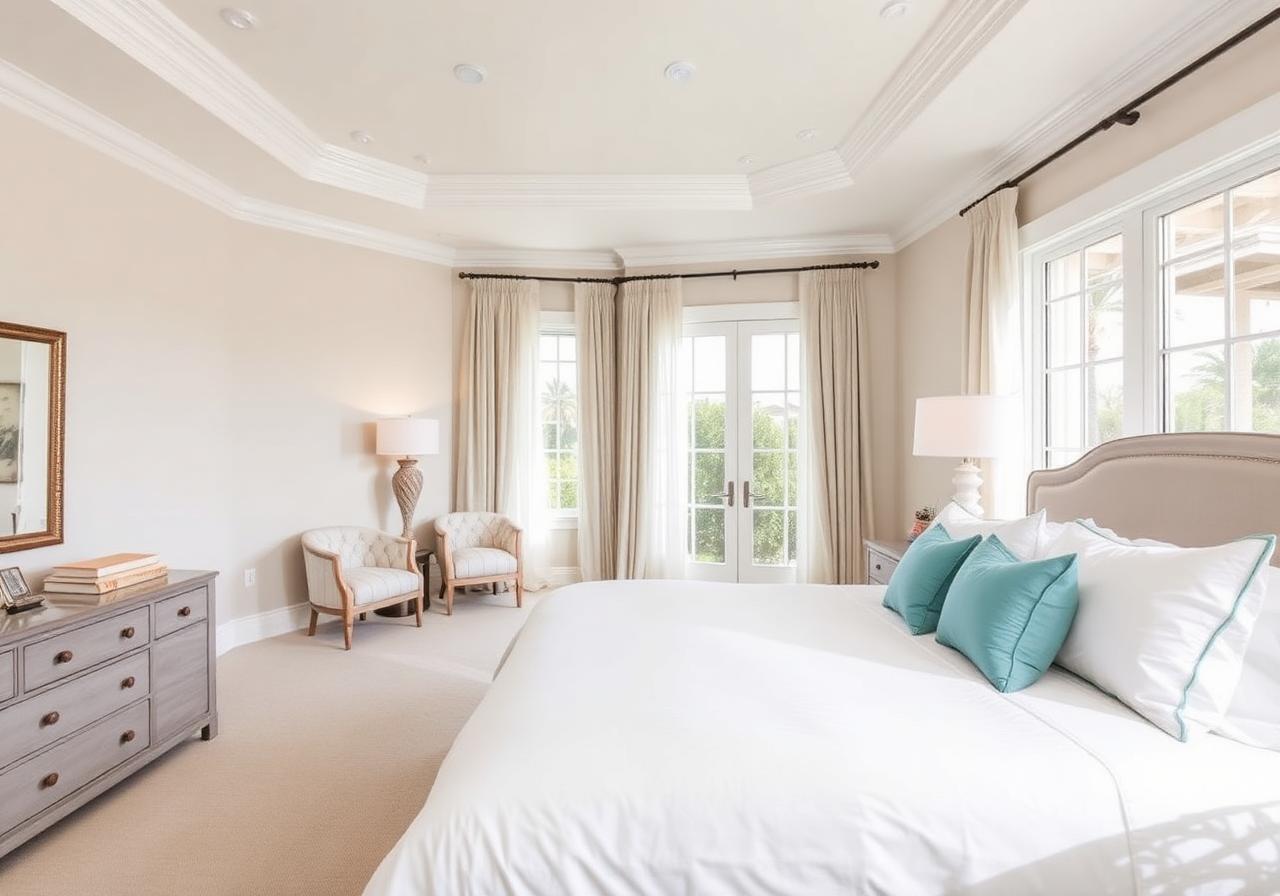
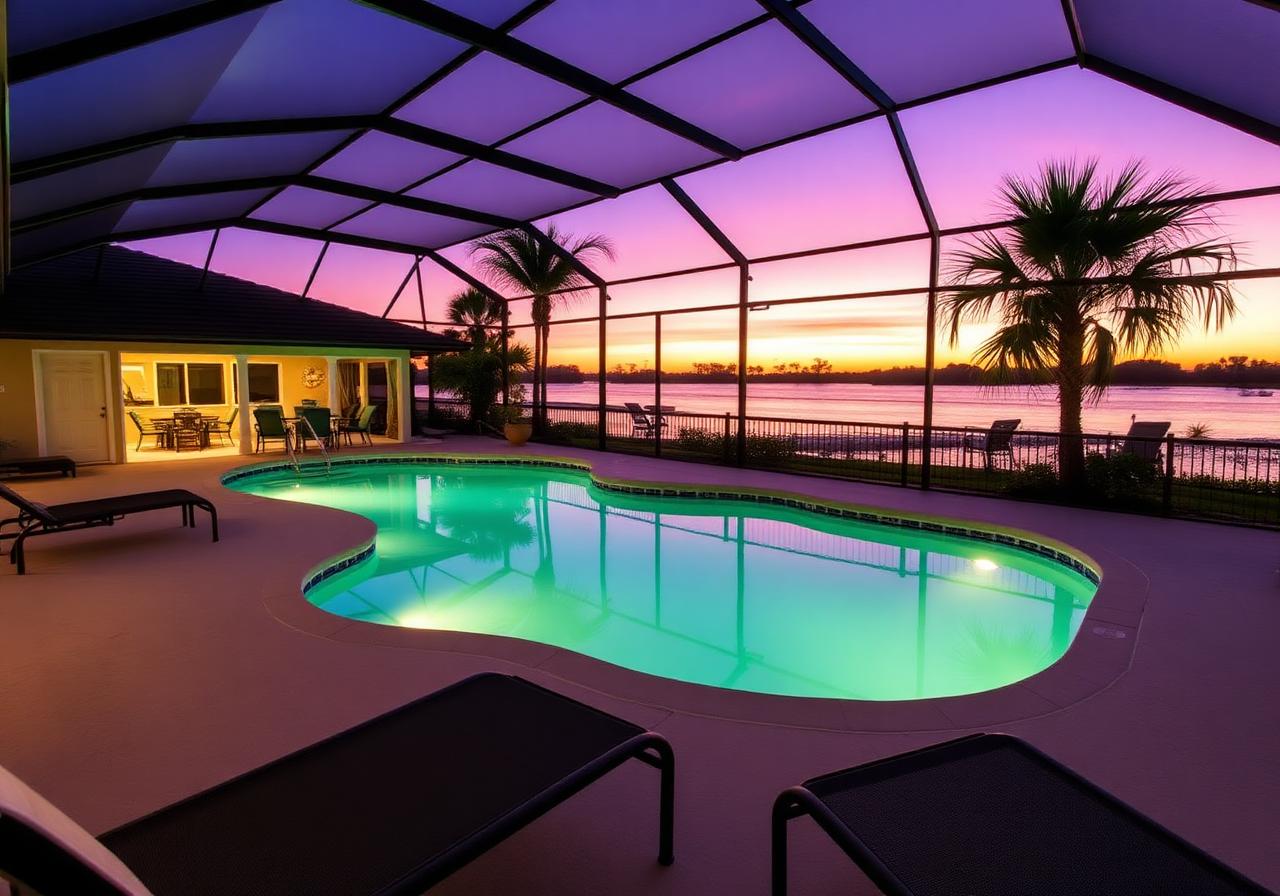
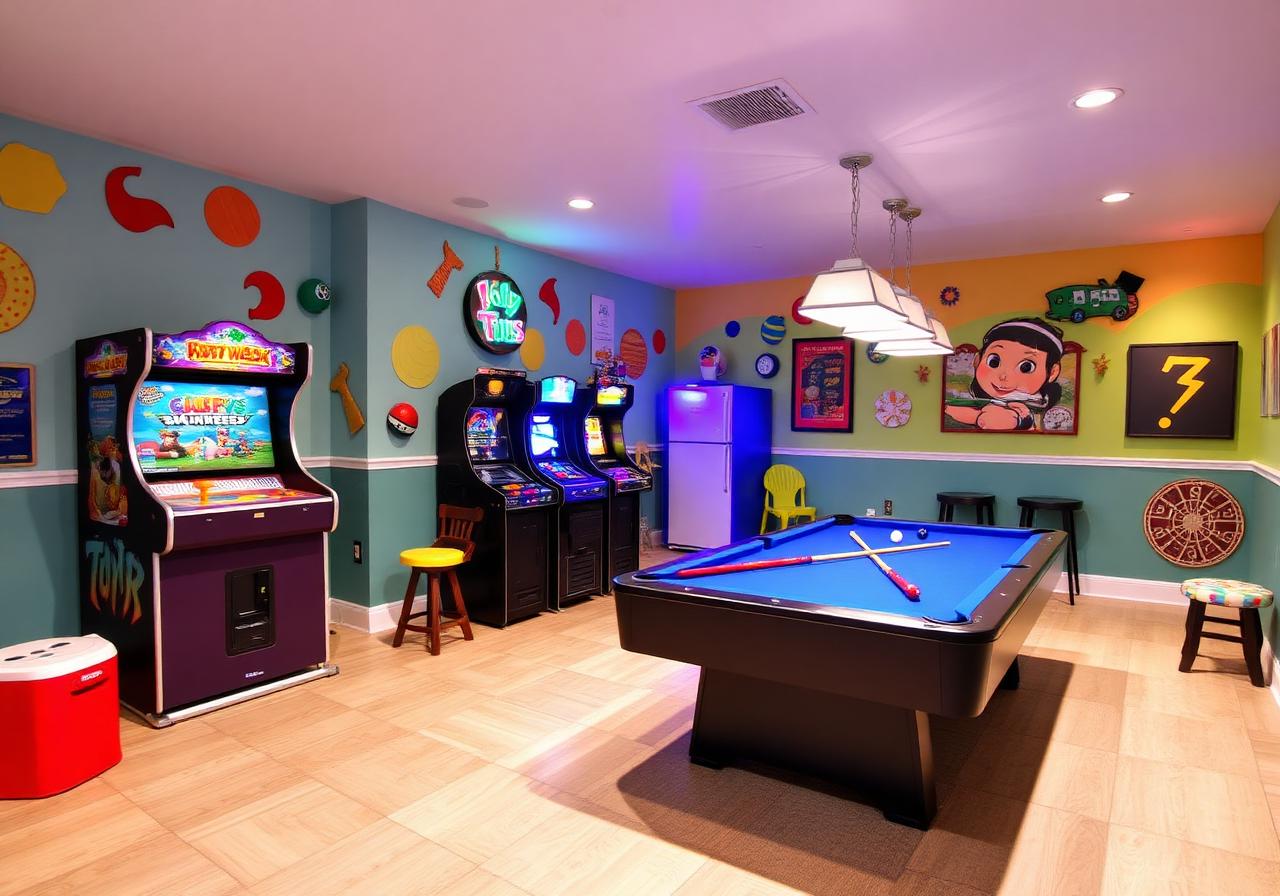
Images are representative of managed-home and design work uHome has been involved with. They are not paired to any specific budget, timeline, testimonial or revenue outcome.
Design changes performance — the amount depends on your home
The actual impact of a renovation, furnishing refresh or design project depends on market, community, home size, current condition, project scope, pricing strategy and execution. Two homes with the same budget can see very different outcomes because those variables are different.
We won't promise a specific revenue lift, occupancy jump or before/after result. What we can commit to is a disciplined process — priority framework, honest opportunity audit, durable specifications, coordinated execution and an operating handoff — and a plain-language conversation about what we expect to move and by roughly how much.
Request My Property & Design Opportunity Review
A member of our team reviews your home, photos and listing — then walks you through the priorities that would most improve appeal, conversion and durability.
Common questions, answered honestly
Can uHome manage renovations before you take over as our property manager?+
Yes. We regularly scope renovation, furnishing and photography work as part of onboarding a new home, whether or not you ultimately choose us as the ongoing manager. The work stands on its own.
How do you handle occupied or already-booked homes?+
We plan scope, vendor sequencing and delivery windows around your reservation calendar. Small refreshes can often happen between guests; larger projects are scheduled into a coordinated window your bookings can flex around.
How is budget approached — are there tiers?+
There isn't a fixed package. Budget follows a priority framework: protect and repair the home first, then conversion essentials (photos, lighting, high-touch areas), then guest-experience upgrades, then optional signature features. You decide how far to go at each layer.
Do you coordinate vendors or do we manage tradespeople ourselves?+
We coordinate the vendors — designers, contractors, electricians, painters, staging, photographers — through a single point of contact so you aren't juggling schedules and quality control from out of state.
Can furniture and soft goods be replaced without a full renovation?+
Often yes. A targeted furnishing refresh, better lighting, updated art and new soft goods can materially change how a home photographs and feels — without a construction project.
Do you design themed rooms?+
Where it fits the property, target guest and community context. Themed spaces are a tool, not a default — a cohesive, well-executed theme can help; a poorly executed one can hurt.
Do we have to use uHome for renovation to become a management client?+
No. Renovation and design are optional performance services. Owners can engage them alongside management, before management, or not at all.